


Software Development
Healthcare Software Development Company: What You Actually Need Built
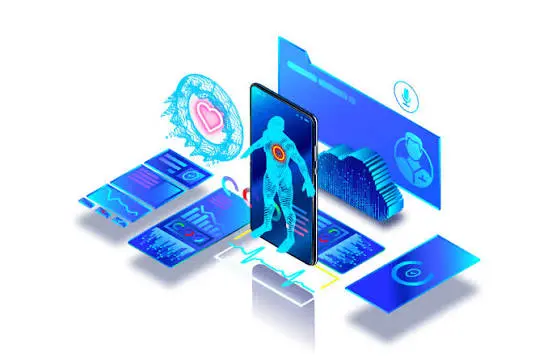
A healthcare software development company should be able to build, or connect to, four things most hospitals and clinics eventually need: a hospital or clinic management system, a patient-facing portal, a telemedicine platform, and EHR/EMR software that fits how your team actually documents care. The mistake most facilities make isn't picking the wrong vendor, it's not being specific enough about which of these four they actually need first, which leads to either an oversized platform nobody fully uses or a narrow tool that needs to be replaced within a year.
This guide breaks down what each of these systems should actually cover, what changes between a hospital, a clinic, and a telehealth practice, and what to check before hiring a healthcare software development company.
What a Healthcare Software Development Company Actually Builds
Most vendors describe their work in broad terms, "custom healthcare software", without specifying which system that covers. In practice, the work usually falls into one of these categories:
- Hospital and clinic management systems. Patient records, scheduling, billing, staff, and department workflows in one connected system.
- Patient portals. Where patients book appointments, view their own records, and message providers directly.
- Telemedicine platforms. Video consultation tools with scheduling, records access, and secure messaging built in, not bolted on to a generic video call tool.
- EHR/EMR software. Electronic health record systems built around your facility's actual clinical documentation needs, not a rigid template.
- Billing and insurance software. Claims processing, eligibility checks, and insurance workflow management.
- Healthcare mobile apps. Patient and provider-facing apps for scheduling, records, and communication on the go.
Rovista's healthcare software development services cover all six of these, built around HIPAA-aware architecture and designed to integrate with the EHR, billing, and lab systems a facility already uses rather than replacing everything at once.
Hospital Management System Development: What It Should Cover
A hospital management system (HMS) is the most complex of these builds, since it needs to coordinate across departments that don't operate the same way. At minimum, it should handle:
| Module | What It Does |
| Admissions and registration | Patient intake, bed assignment, and department routing |
| Bed and department management | Real-time bed availability and coordination across departments |
| Electronic records | Clinical documentation tied to the patient record, not separate paper charts |
| Scheduling | Appointment and procedure scheduling across departments and providers |
| Billing | Charge capture, invoicing, and payment tracking tied to the patient encounter |
| Staff management | Role-based access and scheduling for clinical and administrative staff |
Clinics and private practices generally need a lighter version of the same thing, scheduling, patient records, and front-desk management sized for a smaller team rather than a full hospital-wide system.
Telemedicine App Development: Core Features to Look For
A telemedicine app development company should treat video calling as one feature among several, not the entire product. A telemedicine platform that's actually usable in practice needs:
- Scheduling built into the same platform, so a virtual visit is booked the same way an in-person one would be, not through a separate calendar tool.
- Secure messaging, for follow-up questions and care coordination between visits.
- Records access during the call, so a provider isn't switching between the video window and a separate EHR login mid-consultation.
- Reliable, HIPAA-aware video infrastructure, not a generic consumer video call tool repurposed for clinical use.
- Mobile access for both patients and providers, since a meaningful share of telehealth visits happen from a phone, not a desktop.
EHR/EMR Software Development Services: Build, Buy, or Customize
Facilities generally have three real options here, and the right one depends less on budget and more on how standard or specialized your documentation workflow is:
- Off-the-shelf EMR software. Fastest to deploy, but often forces clinical workflows to match the software instead of the other way around.
- Custom EHR/EMR development. Built around your facility's actual documentation needs, with the tradeoff of a longer initial build and a development partner you'll rely on for ongoing support.
- Integration-first approach. Keeping your existing EHR in place and building new systems, like a patient portal or telemedicine platform, to integrate with it rather than replace it.
Most facilities that already have a working EHR are better served by the integration-first approach for new projects. A full custom EHR/EMR build usually makes sense only when the existing system is actively limiting how care is documented or billed, not simply because it's outdated-looking.
How to Choose a Healthcare Software Development Company
Evaluate any vendor against these points before signing on:
- Healthcare-specific system design experience, not just general software development applied to a healthcare project for the first time.
- HIPAA-aware architecture from the start, meaning data access controls and privacy design are built in from day one, not added after a compliance review flags a gap.
- Integration capability with your existing EHR, billing, and lab systems, since very few healthcare software projects start from a completely blank slate.
- A clear, structured process, discovery and requirements mapping, system design, testing and deployment, then ongoing support, rather than jumping straight to development without mapping your actual clinical workflows first.
- Ongoing maintenance and support after launch, since healthcare software needs continuous monitoring and updates, not a one-time delivery.
Healthcare Software Needs by Setting
| Setting | Primary Need |
| Hospitals | Admissions, bed management, department coordination, hospital-wide records |
| Clinics & private practices | Scheduling and patient records sized for a smaller team |
| Telehealth | Virtual visit platforms with scheduling, records access, and secure messaging |
| Diagnostic labs | Test ordering, sample tracking, and results delivery |
| Pharmacies | Inventory, prescription tracking, and patient notification |
| Mental health practices | Scheduling, secure notes, and client communication |
| Home healthcare | Visit scheduling, caregiver coordination, and family communication |
| Health insurance | Claims processing, eligibility, and policyholder management |
Frequently Asked Questions
How is a hospital management system different from EHR/EMR software?
An EHR/EMR system focuses specifically on clinical documentation, patient history, diagnoses, treatment records. A hospital management system is broader, covering admissions, bed management, billing, and staff scheduling, with EHR/EMR functionality usually built in as one module within it.
Can a telemedicine platform be built to work alongside an existing EHR instead of replacing it?
Yes, and this is usually the better approach. A telemedicine platform built to integrate with your current EHR lets providers access patient records during virtual visits without maintaining two separate systems.
How long does custom healthcare software development typically take?
It depends heavily on scope, a patient portal or a focused telemedicine feature set can move faster than a full hospital-wide management system with multiple department integrations. A vendor should be able to give a realistic timeline after a discovery phase that maps your actual workflows.
Does HIPAA-aware software cost significantly more to build?
Building privacy and access controls in from the start typically costs less than retrofitting compliance into software that wasn't designed with it in mind. The bigger cost driver is usually the number of integrations and the complexity of the workflows being digitized, not compliance itself.
Do small clinics need the same software as a hospital?
No. A clinic or private practice generally needs scheduling, patient records, and front-desk management sized for a smaller team, not the full department-coordination scope a hospital management system requires.
Talk to a Healthcare Software Development Company
If you're evaluating a hospital management system, a telemedicine platform, or an EHR/EMR build, the fastest way to scope it properly is a direct conversation about your current workflows rather than a generic features list. Rovista's healthcare software development services page covers the full range of what's built, and you can book a free consultation or get in touch to discuss your specific requirements.


Ready to start your project?